Blog
Enterprise AI
10 articles tagged with “Enterprise AI”

Users don't experience a model, data platform and operating layer as separate technologies. They experience one service and judge whether its answer is useful, complete and trustworthy. Five practical lessons for leaders connecting AI to real business data.
Read more
We gave two versions of the same production system the same difficult exam — same governed source, same questions, judged against the same ground truth. What changed was the complete configuration through which the AI received and worked with the information. The result was not close: 60.0% versus 35.1% fully correct.
Read more
Two executives receive the same facts — one as a dense export, one as a clear briefing. The facts are identical; the ability to use them is not. AI assistants face the same challenge, and the handover between trusted data and the model can quietly decide whether the answer is right.
Read more
Part 3 of the series. The quiet inversion that changes everything: an affordance engine doesn't give the agent the full graph — it gives it the current menu. The agent's choice is real. The intelligence is real. And the structure that makes both possible is entirely invisible. This isn't hypothetical. We've been building it.
Read more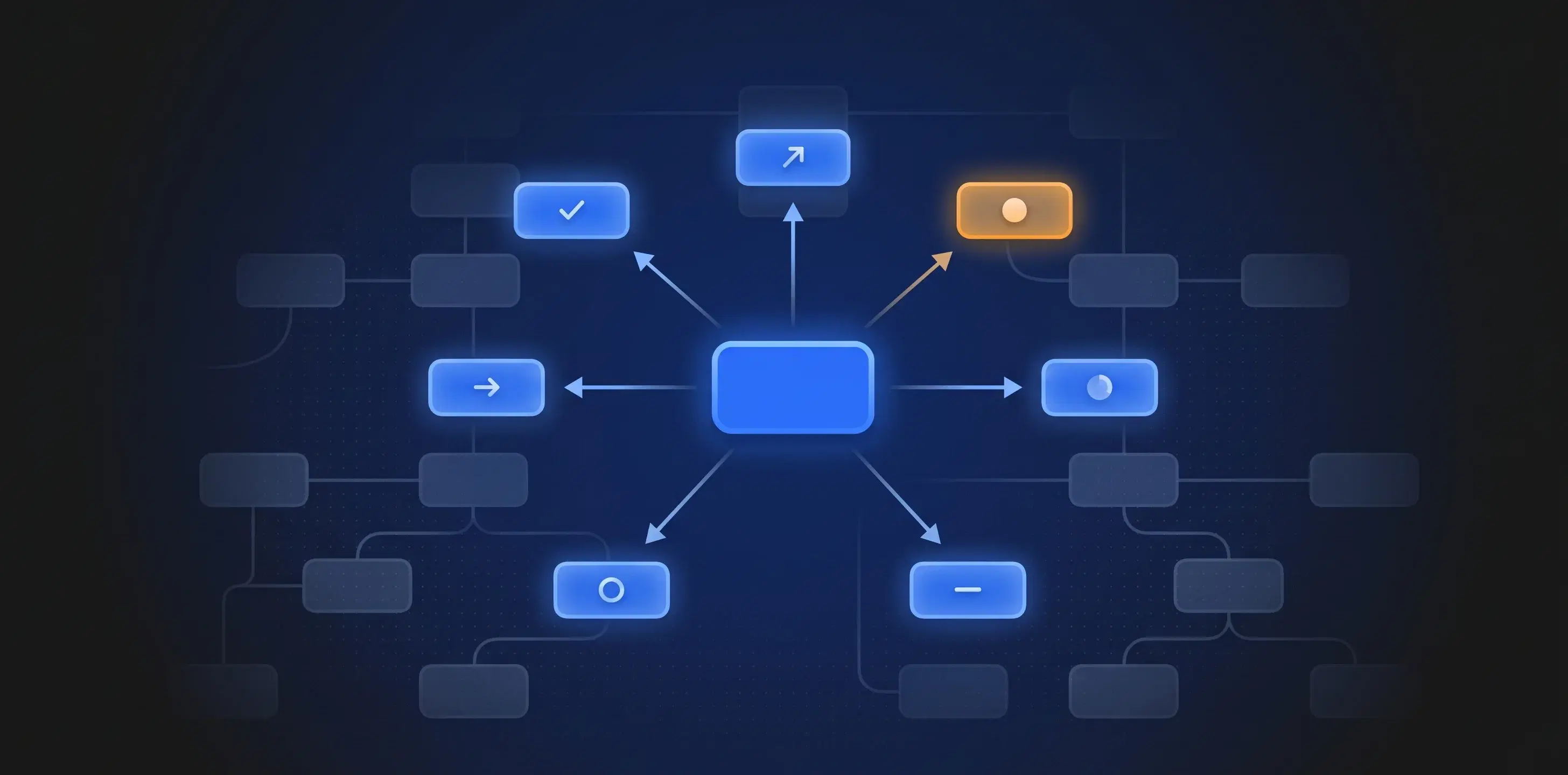
Part 2 of the series. A modern affordance engine gives you FSM-grade control without FSM-era rigidity — and resolves the single biggest bottleneck in scaling LLM agents across enterprise workflows: capability discovery. The skeleton is still deterministic. The intelligence is still probabilistic. But the skeleton is no longer a hand-carved fossil.
Read more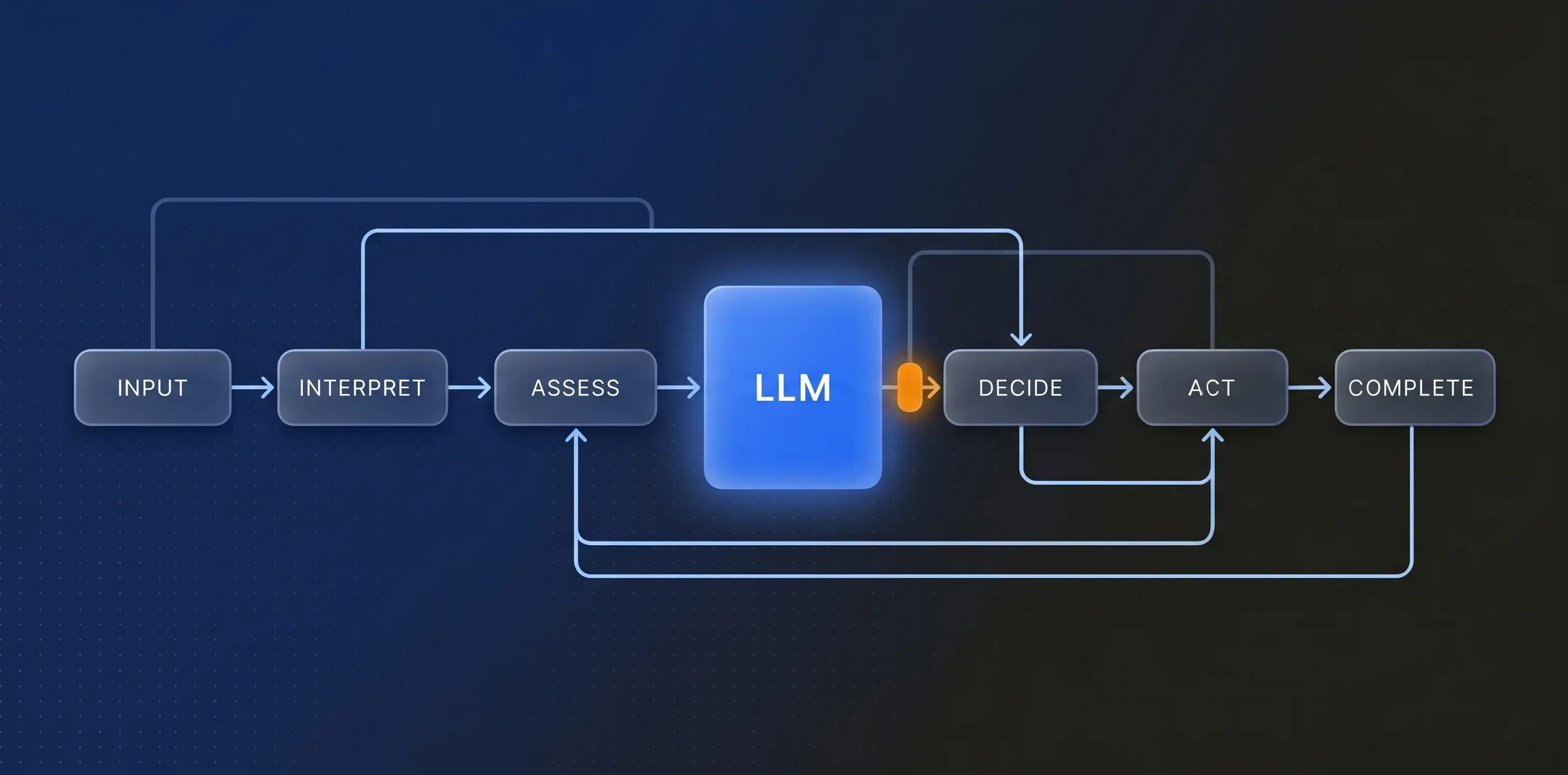
Part 1 of the series. Deploying LLM-based agents into enterprise workflows without a finite state machine governing their behaviour produces systems that fail unpredictably, can't be audited, and can't be explained to a regulator. Here's the architecture that actually works — and why every Pattern B system inevitably evolves toward it.
Read more
Generative AI is transforming how businesses generate content, but LLMs still grapple with serious challenges in enterprise settings—especially around domain-specific context and the risk of hallucinations. This is where Graphshare leverages Retrieval-Augmented Generation to enhance precision and trustworthiness.
Read more
Traditional SaaS UX was built for rigid, step-by-step workflows. Gen-AI replaces them with interfaces that understand context, surface the next action and orchestrate work across systems.
Read more
“No one ever got fired for buying IBM.” But enterprise software still rooted in 1980s architecture is the source of the poor-quality data that stalls AI programmes, and CIOs now face a do-or-die decision.
Read more
For CEOs, CFOs and COOs, being data-driven is no longer an innovative strategy but an absolute imperative. What it takes to build the culture, governance and tooling that AI depends on.
Read more