
For years, the narrative surrounding enterprise software has been one of complacency. The prevailing attitude was, “No one ever got fired for buying IBM,” or later, SAP, Oracle, Microsoft, or Salesforce. But time catches up with everyone, and the truth is that enterprise software has not been delivering value for money. Now, with the rise of AI, CIOs face a “do or die” decision.
The Legacy Burden
The problem lies in the aging architecture of these systems. While vendors have been busy “SaaS-ifying” their offerings, the underlying design is still rooted in the technologies and philosophies of the 1980s and 1990s. Organisations have been forced to innovate around these legacy systems, building mobile, internet, and analytical solutions as workarounds.
These outdated systems are barely tolerable in today’s environment. They were often purchased for market parity, not innovation, and they struggle to compete in the age of AI. CIOs pay a premium for modifications, often for features the organisation doesn’t even use. Spreadsheets and SharePoint sites proliferate to compensate for missing core functions, adding further cost and inefficiency.
The Innovation Gap
True innovation has stagnated. Vendors attempt to keep pace with the open-source marketplace by adding extensions, but even those with proprietary toolkits are falling behind. The open-source nature of AI solution development further lowers barriers to entry and prevents any one player from dominating.
The Data Imperative
In this volatile landscape, what is the key to stability and AI enablement? The answer lies in data. Organisations need the ability to manage changing, high-quality, semantically-rich, connected, and accessible data.
Data is the lifeblood of AI. Building on out-of-date solutions with rigid, arcane, and closed databases hinders AI development. These aging systems are the source of poor-quality data, leading to wasted time and money spent on cleaning and preparing data for machine learning and AI.
The Solution: Embracing Change
To thrive in the age of AI, organisations need web-enabled and semantically-rich data management systems. These systems must be flexible and accessible to both human and AI workforces, enabling business teams to experiment, implement, and evolve solutions quickly.
The status quo is no longer an option. Existing marketplaces will be disrupted, and new ones will emerge. Organizations that fail to adapt risk extinction. Now is the time to invest in innovative systems that enable the management of semantically-rich, linked, flexible, and high-quality data.
Introducing Graphshare
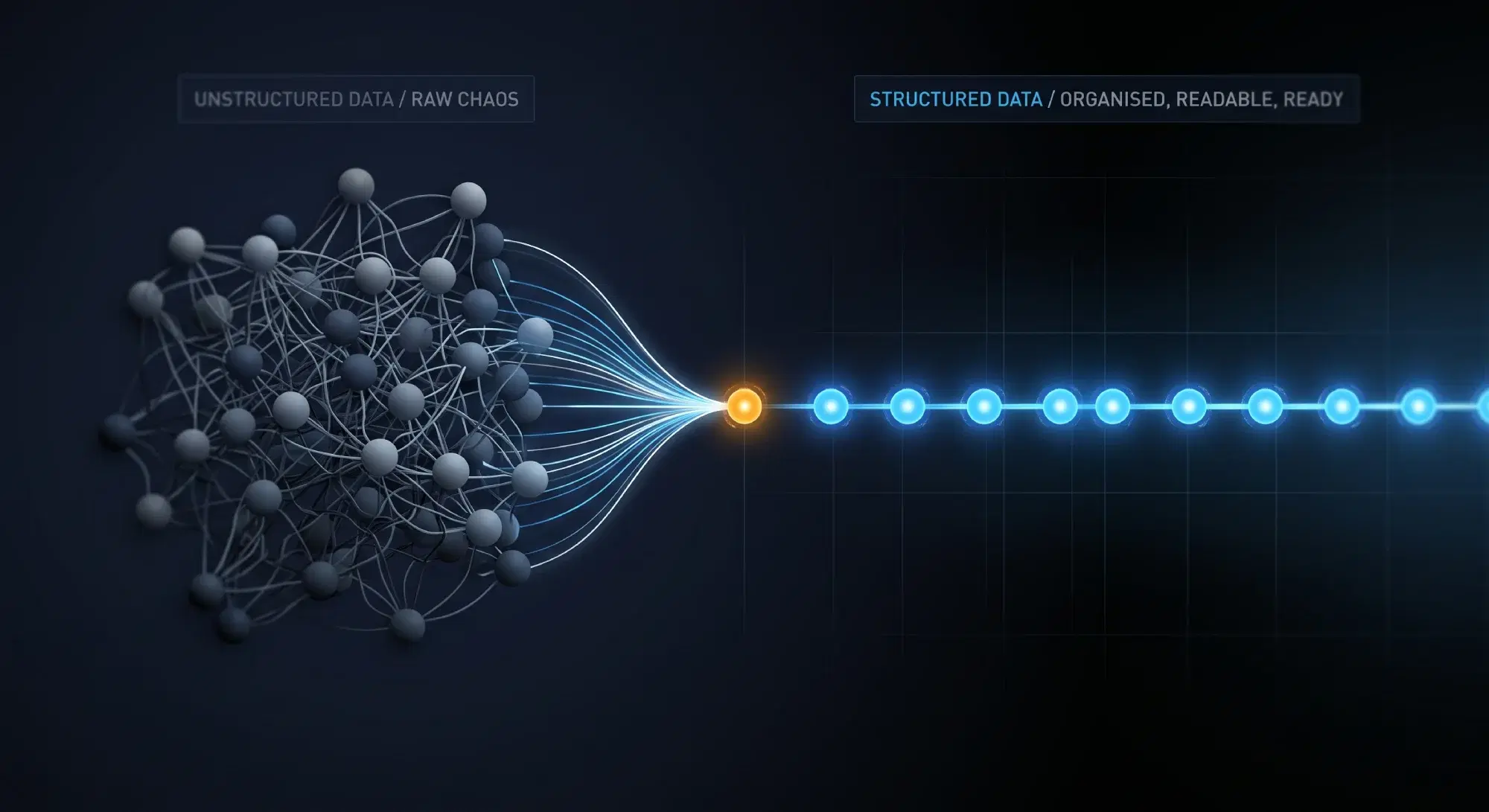
At Graphex, we have developed a semantic, web and graph-based data management system (SWAG-DMS) called Graphshare. This no-code platform enables organisations to deploy solutions independently in days and weeks. Graphshare seamlessly links unstructured and structured data, and its API set enables integration into the existing application landscape.
Want to understand more about Graphshare? Get in touch to discuss your needs and arrange a demonstration. Remove your drag and get some SWAG!
About the Author
Graham Meaden, CEO of Graphex Software Limited, the developer of Graphshare, is the author of “Business Architecture – A Practical Guide.” He has worked in leadership roles for over two decades with accountabilities for the design of process, systems, and data management in public and private sector organisations.