Insights & Updates
Graphex Blog
Explore our latest thinking on data management, AI, knowledge graphs, and enterprise technology.
Latest Articles

Users don't experience a model, data platform and operating layer as separate technologies. They experience one service and judge whether its answer is useful, complete and trustworthy. Five practical lessons for leaders connecting AI to real business data.
Read more
We gave two versions of the same production system the same difficult exam — same governed source, same questions, judged against the same ground truth. What changed was the complete configuration through which the AI received and worked with the information. The result was not close: 60.0% versus 35.1% fully correct.
Read more
Two executives receive the same facts — one as a dense export, one as a clear briefing. The facts are identical; the ability to use them is not. AI assistants face the same challenge, and the handover between trusted data and the model can quietly decide whether the answer is right.
Read more
Most businesses can answer thousands of questions instantly — until the question crosses two systems. The data almost always exists. It just lives in a CRM here, a finance system there, a procurement tool somewhere else, and a spreadsheet that no one fully owns. Four scenarios where that disconnect becomes a real commercial problem — and why it's becoming more urgent with AI.
Read more
Part 3 of the series. The quiet inversion that changes everything: an affordance engine doesn't give the agent the full graph — it gives it the current menu. The agent's choice is real. The intelligence is real. And the structure that makes both possible is entirely invisible. This isn't hypothetical. We've been building it.
Read more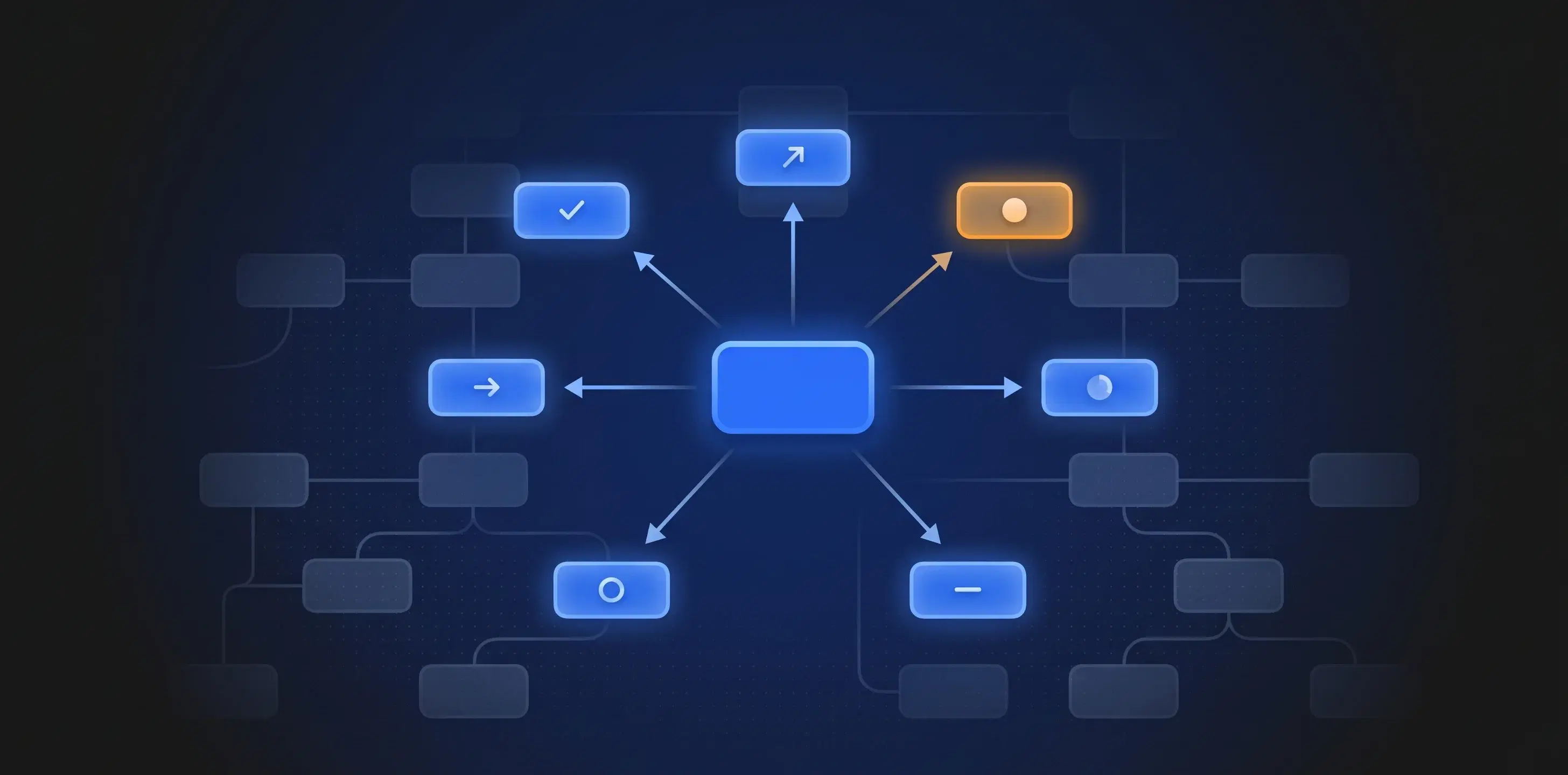
Part 2 of the series. A modern affordance engine gives you FSM-grade control without FSM-era rigidity — and resolves the single biggest bottleneck in scaling LLM agents across enterprise workflows: capability discovery. The skeleton is still deterministic. The intelligence is still probabilistic. But the skeleton is no longer a hand-carved fossil.
Read more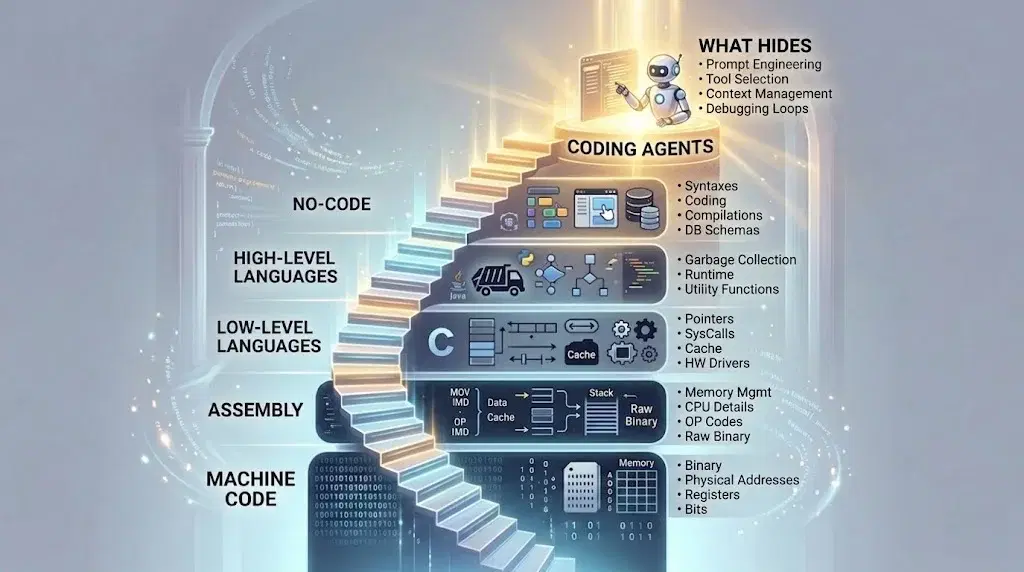
Programming has always been a ladder of abstractions, and every layer kept the same quiet promise: same input, same output, every time. AI agents are the first abstraction that breaks the rule. Here's why that changes everything — and what it takes to build dependable systems on top of a probabilistic substrate.
Read more
66% of technology projects end in partial or total failure — and after years of directing CRM and ERP implementations, the failure point is almost always the same. Not the build. Not the testing. The data mapping. Here's why reference data is the structural choke point of every enterprise migration, and what an actual fix looks like.
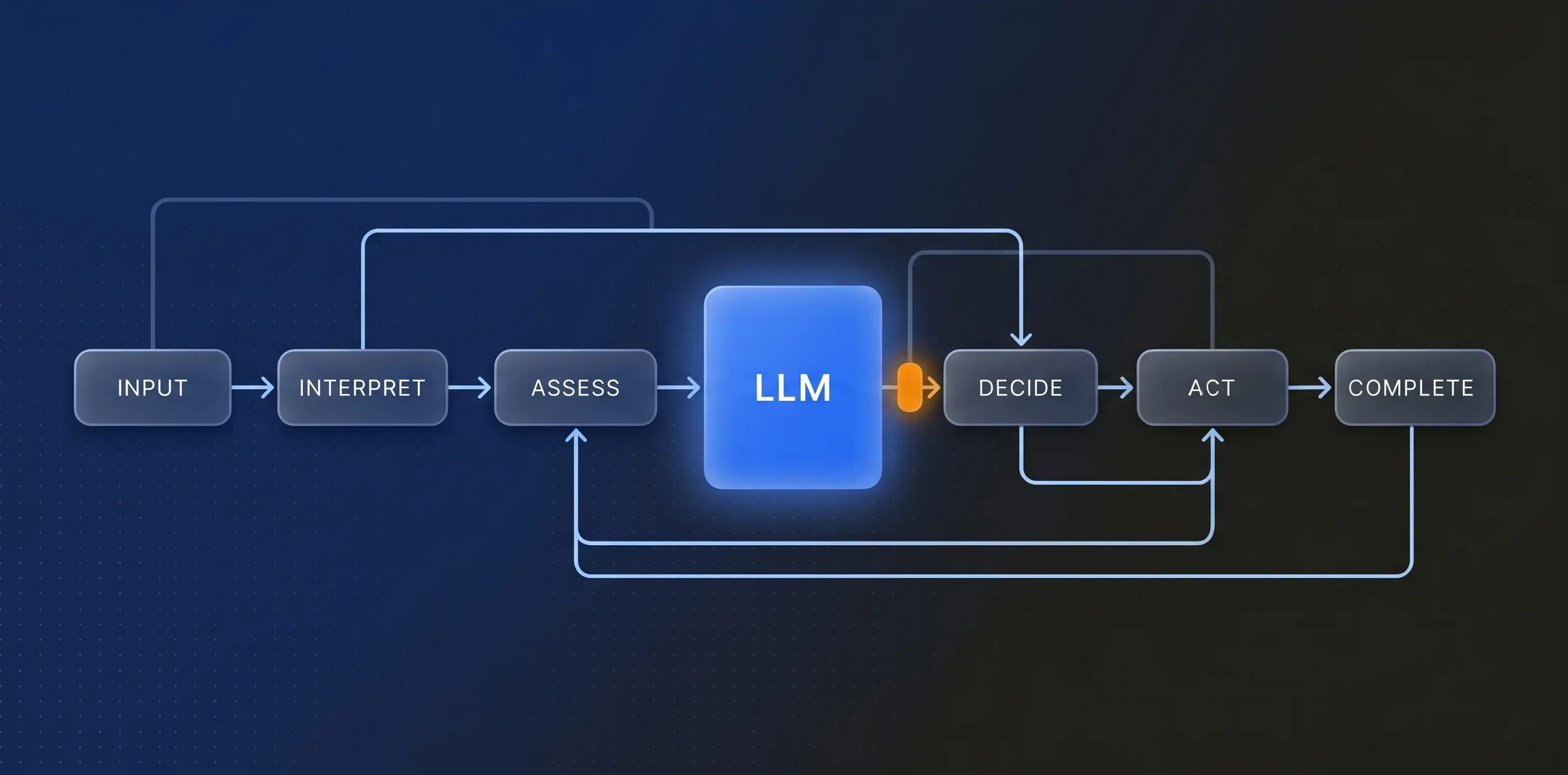
Part 1 of the series. Deploying LLM-based agents into enterprise workflows without a finite state machine governing their behaviour produces systems that fail unpredictably, can't be audited, and can't be explained to a regulator. Here's the architecture that actually works — and why every Pattern B system inevitably evolves toward it.
Read more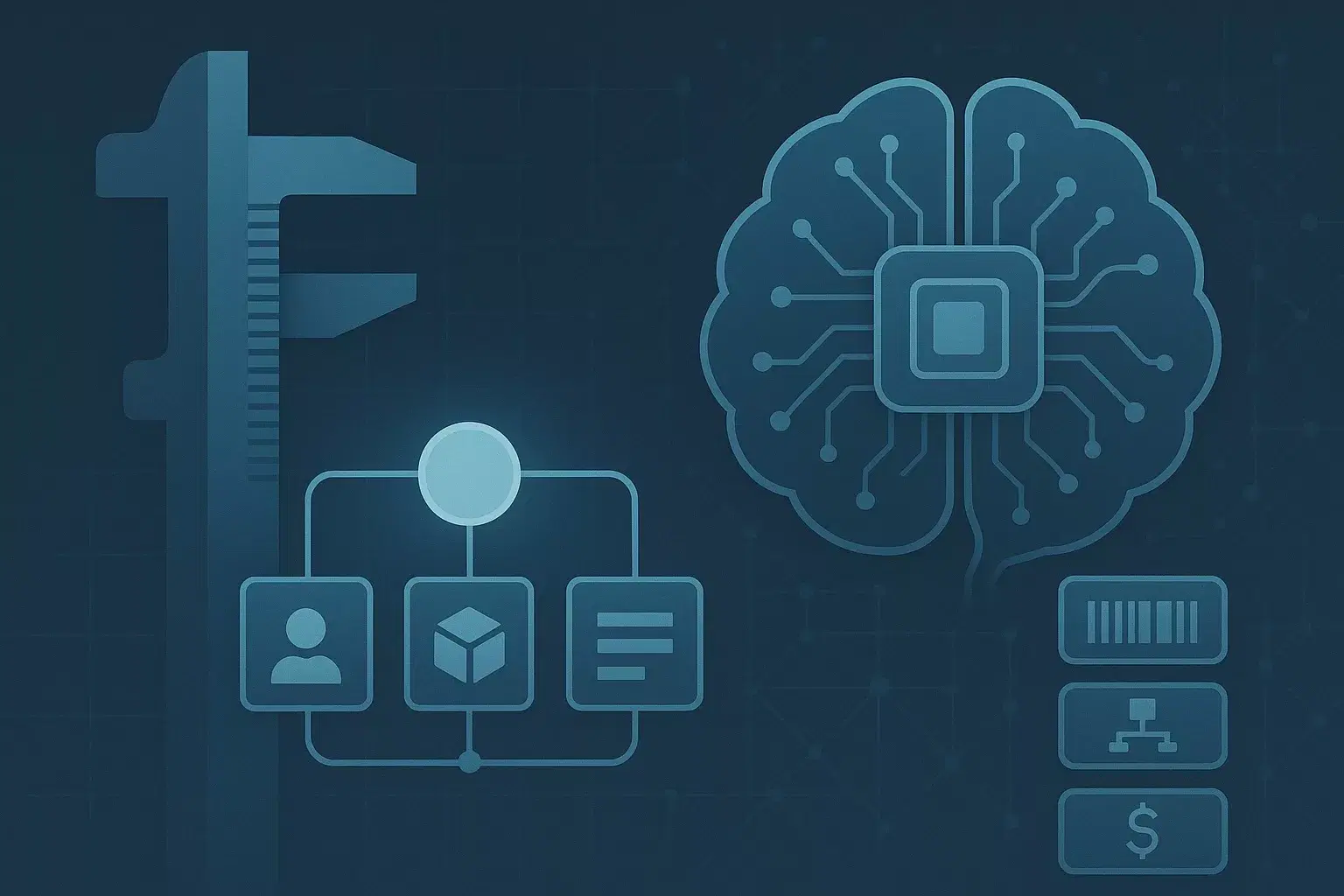
Have you ever wondered why it takes months to produce a new management report or corporate dashboard? These frustrating delays, endless debates over data definitions, and inconsistent metrics often point to a hidden issue: poorly managed reference data.
Read more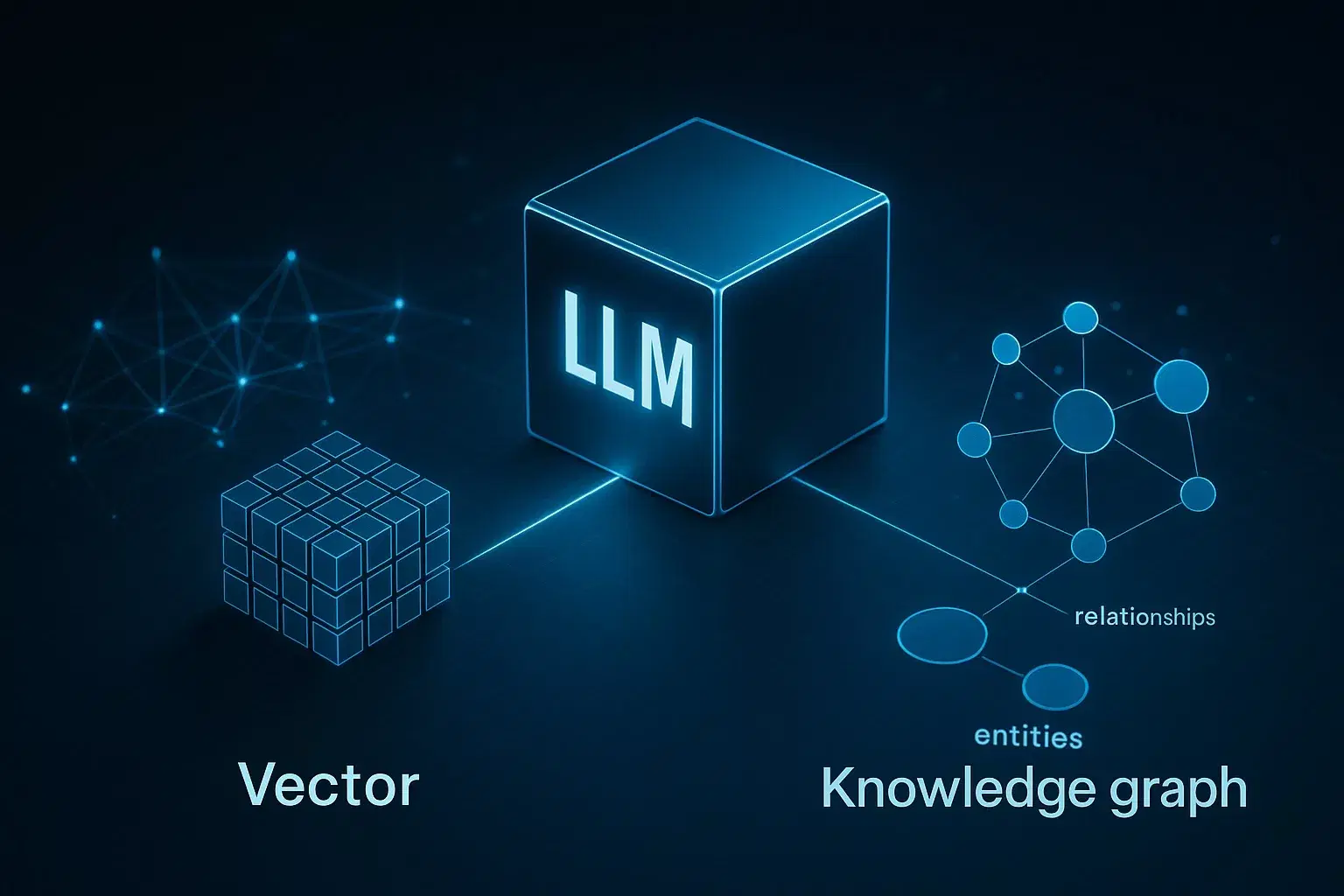
Large Language Models demonstrate impressive capabilities in natural language understanding and generation. However, they operate as closed systems trained on static datasets, lacking real-time awareness of new information and struggling with factual accuracy. Two prominent approaches have emerged for RAG: Vector Databases and Knowledge Graphs.
Read more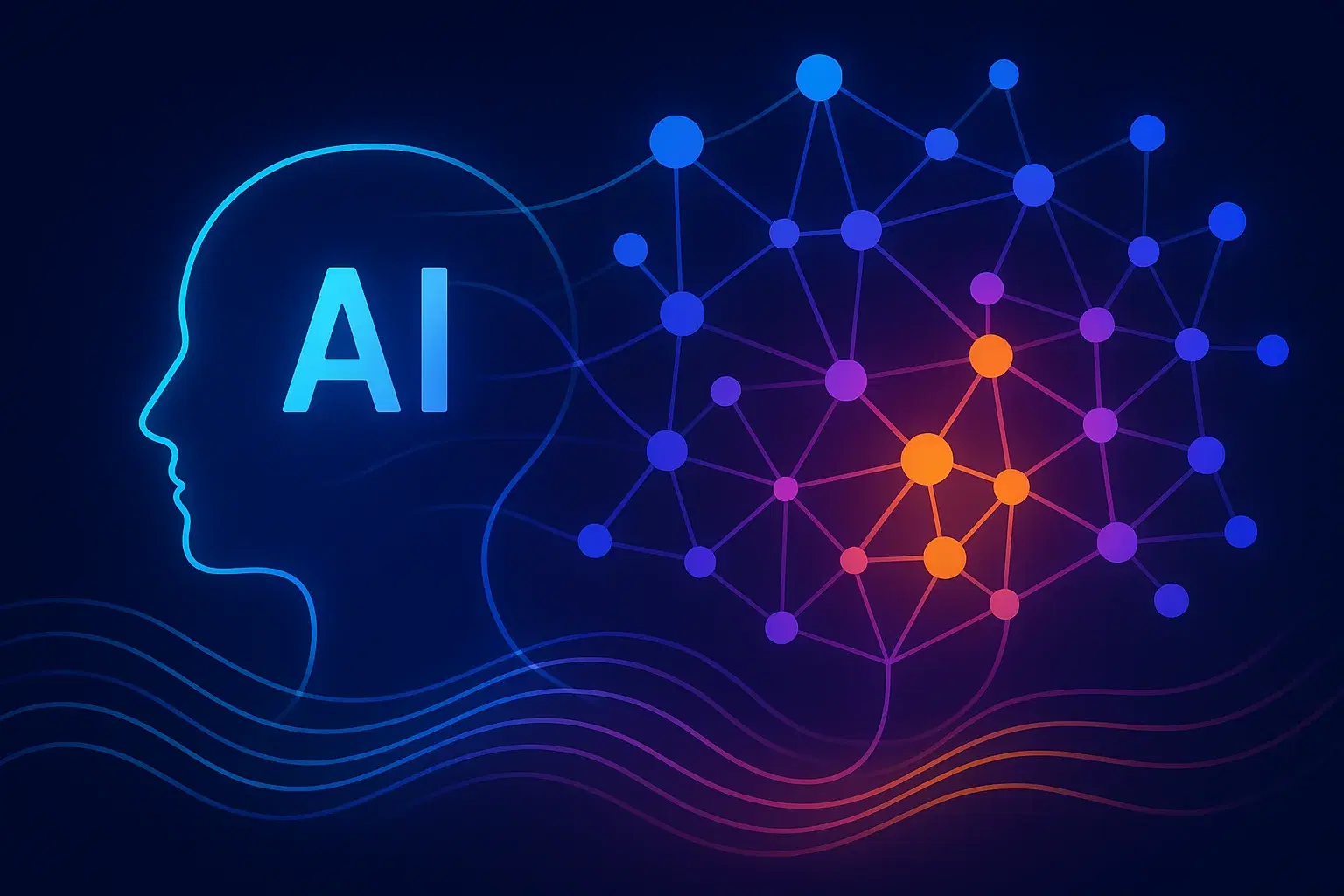
Generative AI is transforming how businesses generate content, but LLMs still grapple with serious challenges in enterprise settings—especially around domain-specific context and the risk of hallucinations. This is where Graphshare leverages Retrieval-Augmented Generation to enhance precision and trustworthiness.
Read more
Organisations spend heavily on data lakes, warehouses and cloud migrations and still struggle to get business insight out. A semantic layer — metadata, taxonomy, ontology and knowledge graph — is what closes the gap.
Read more
Traditional SaaS UX was built for rigid, step-by-step workflows. Gen-AI replaces them with interfaces that understand context, surface the next action and orchestrate work across systems.
Read more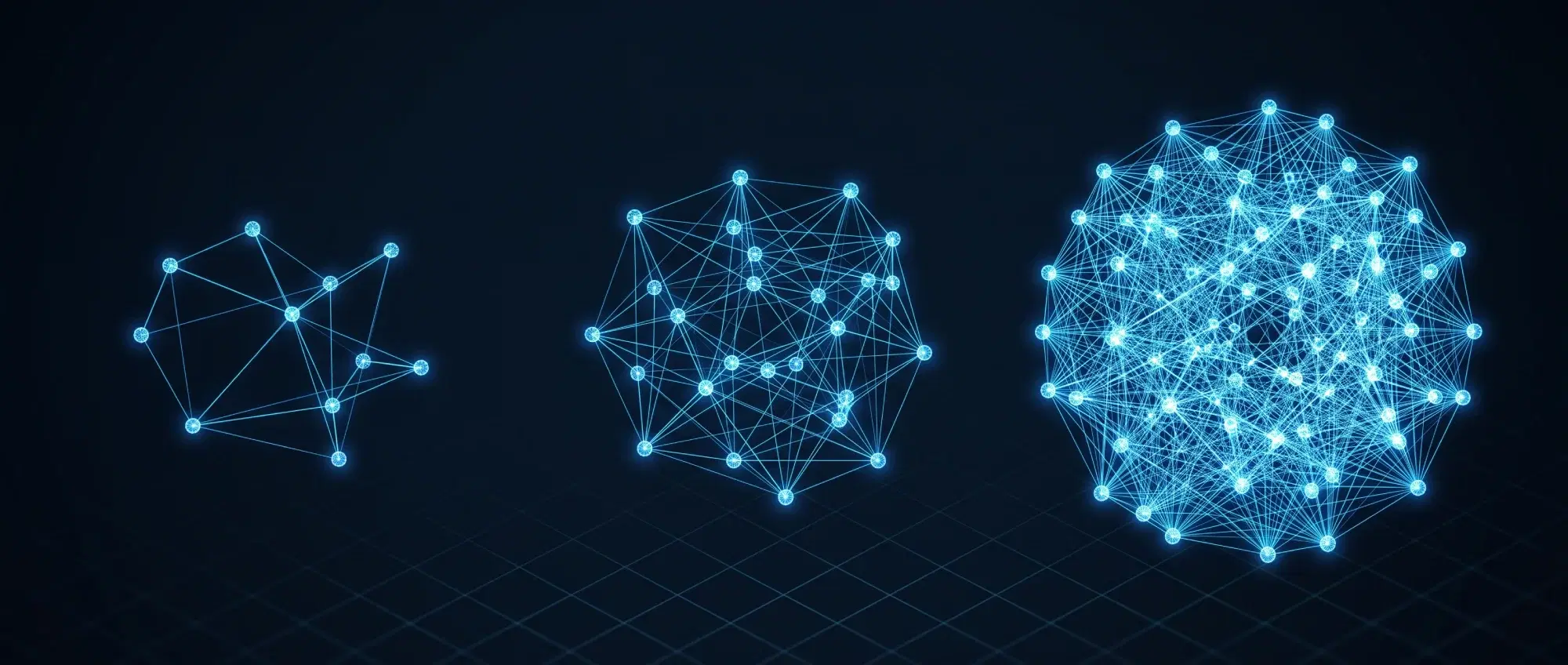
Metcalfe’s Law holds that a network’s value is proportional to the square of its connected nodes. Applied to enterprise data, it explains why every new connection between systems compounds the value of everything already connected.
Read more
Chaining six facts together in a relational model can mean an eleven-table join. Graph databases traverse nodes and links instead, sidestepping the mapping tables that make enterprise data so slow to query.
Read more
Most organisations know they hold valuable data. Far fewer can say what exists, where it lives, or whether it can be trusted. Twelve practical steps for CIOs and CTOs who want to close that gap.
Read more
“No one ever got fired for buying IBM.” But enterprise software still rooted in 1980s architecture is the source of the poor-quality data that stalls AI programmes, and CIOs now face a do-or-die decision.
Read more
For CEOs, CFOs and COOs, being data-driven is no longer an innovative strategy but an absolute imperative. What it takes to build the culture, governance and tooling that AI depends on.
Read more